Brain cancer remains one of the most devastating cancers, with limited treatment options and survival rates that have barely shifted in decades.
Brain cancer is one of the most lethal cancers and glioblastoma (GBM) is the most aggressive common type. In Australia, around 2,000 people are diagnosed with brain cancer each year.
For people diagnosed with GBM, outcomes are especially harsh:
- Median survival is around 12–18 months, even with current available treatment.
- Five-year survival for GBM is around 6% in Australia (2017-2021).
More research is needed into the causes and complexities of brain cancer. We need a breakthrough. Your donation will help.
The Ross Laybutt Fellowship in Brain Cancer Research has been established to honour Ross’s life, his long and productive career, his contribution to medical research and the values he stood for – curiosity, integrity, and a belief that the pursuit of greater scientific knowledge would make the world better for communities now and in the future. Ross knew that it was scientific foundations that enabled the global scientific community to connect the dots and solve some of the greatest challenges facing humans.
As a researcher in Australia, Ross understood that Fellowships (multi-year funding of the salary of a post-PhD researcher) are critical in providing PhD graduates the opportunity to continue their science careers and to pursue bold ideas that could lead to real breakthroughs.
Thank you for backing science when it matters most.
The Brain Cancer Centre
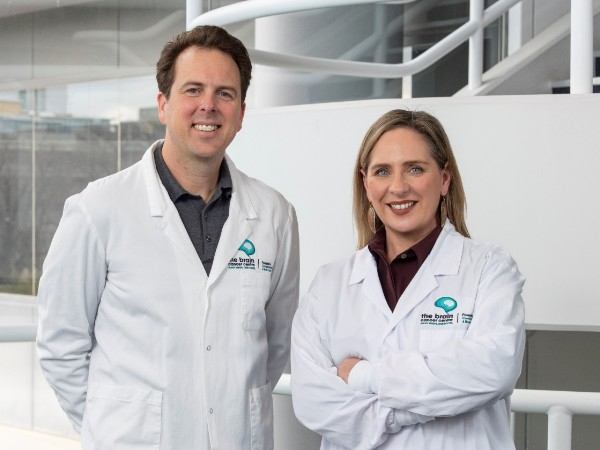
The Brain Cancer Centre is working to change outcomes for one of the most challenging and deadly cancers. By bringing together researchers and clinicians, the Centre accelerates discoveries from the lab to the clinic by advancing understanding, improving diagnosis, and developing better treatments for aggressive brain tumours like glioblastoma.
A core focus is foundational research, the rigorous science that underpins future breakthroughs. This long-term approach reflects the values that defined Ross's career. He knew that meaningful progress starts with strong scientific foundations.
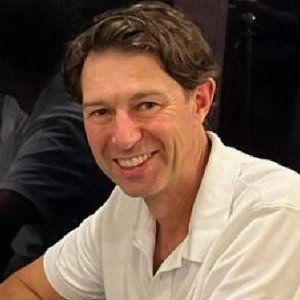
About Ross Laybutt
He was 55 at the time. He passed away at home with his family less than 14 months later. None of the current globally-accepted GBM treatments, including surgery, radiation and chemotherapy, were able to stop his cancer.